IEMT Method®
Integral Eye Movement Therapy was developed by Andrew T. Austin, expanding upon the original work of Connirae and Steve Andreas. It is a structured psychotherapeutic model that has been taught internationally and is now practiced worldwide.
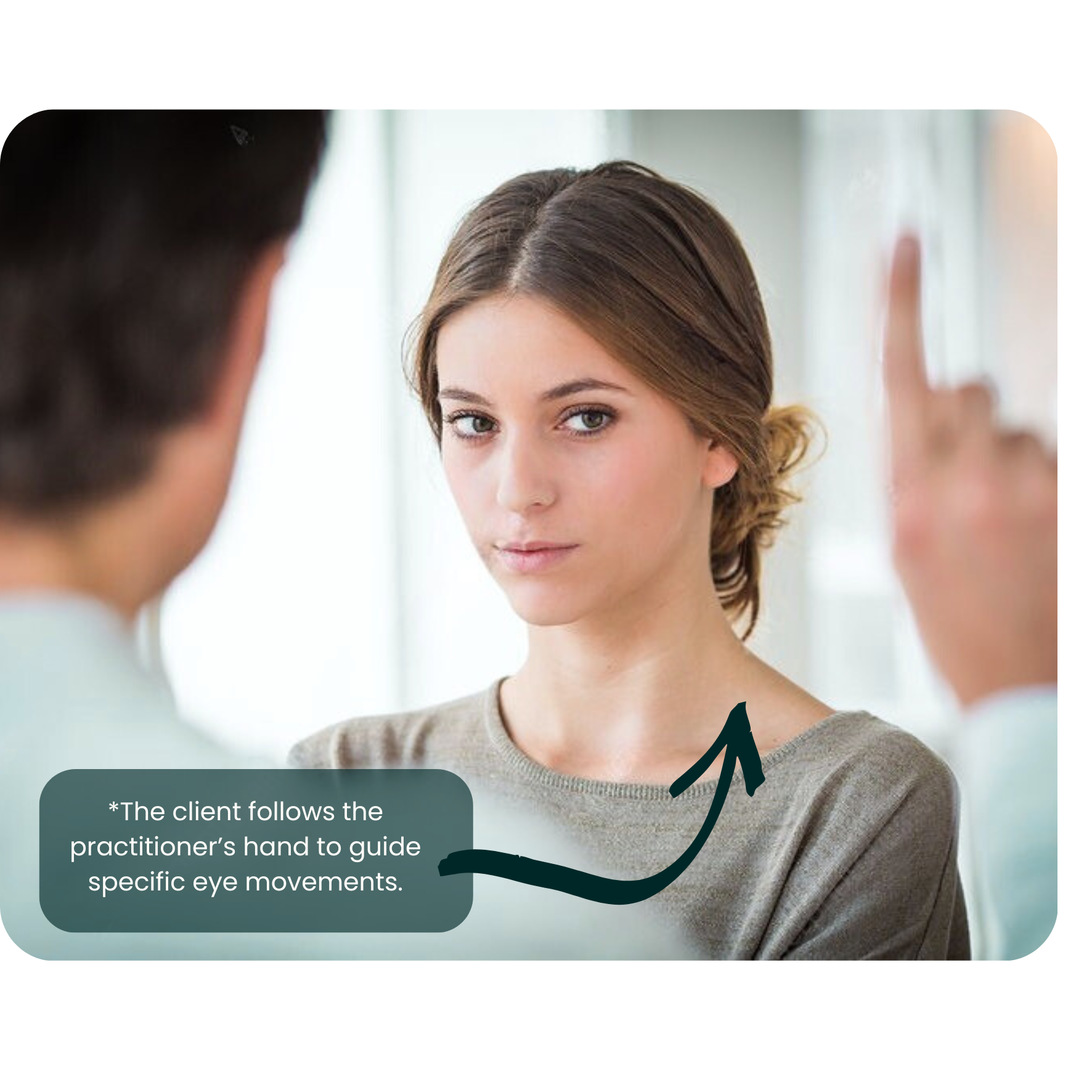
Understanding where emotional blockage begins.
When Emotional & Identity Patterns merge, the past becomes part of the present.
5 Emotional Patterns
- Guilt – “I should have done something differently.”
-
Regret – The desire to undo or change the past.
- Shame – The belief that “I am not good enough.”
- Anger – Holding others responsible for one’s pain.
-
Anxiety – The fear that past distress will repeat in the future.
5 Identity Patterns
- Failure – “I’m the one who failed.”
- Not good enough – “I’m not good enough.”
- Hurt – “I’m the one who was hurt.”
- Control – “I must be in control.”
-
Distrust – “I can’t trust anyone.”
5 + 5 = 5 Patterns of Chronicity
When these ten patterns interact, they give rise to the five Patterns of Chronicity.
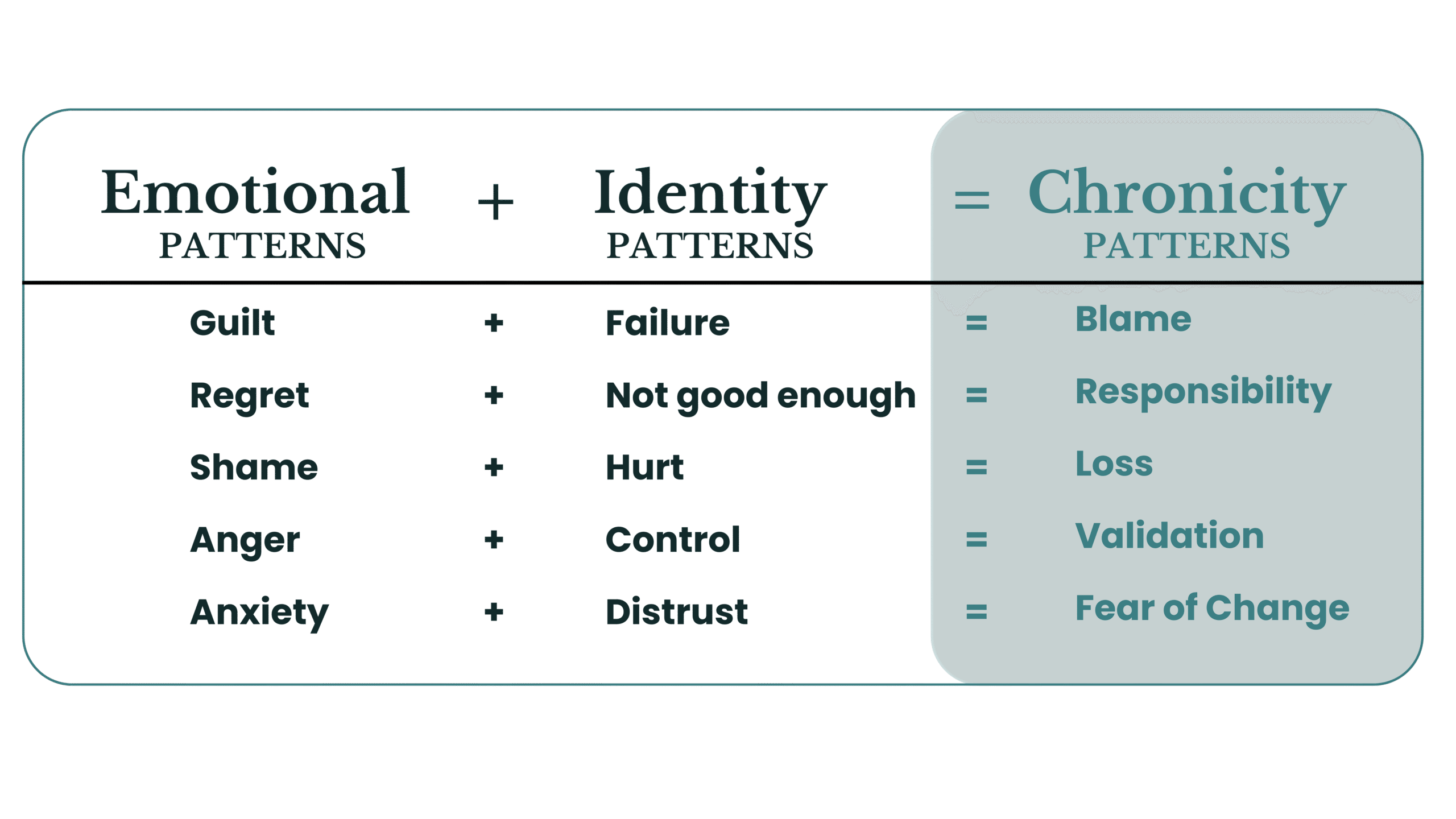
From Awareness to Change
After the pattern is identified, the IEMT process begins.
Through guided eye movements, the client re-accesses the emotional imprint without re-experiencing its distress. This process allows the mind to reorganize the memory and integrate it in a neutral, balanced way.


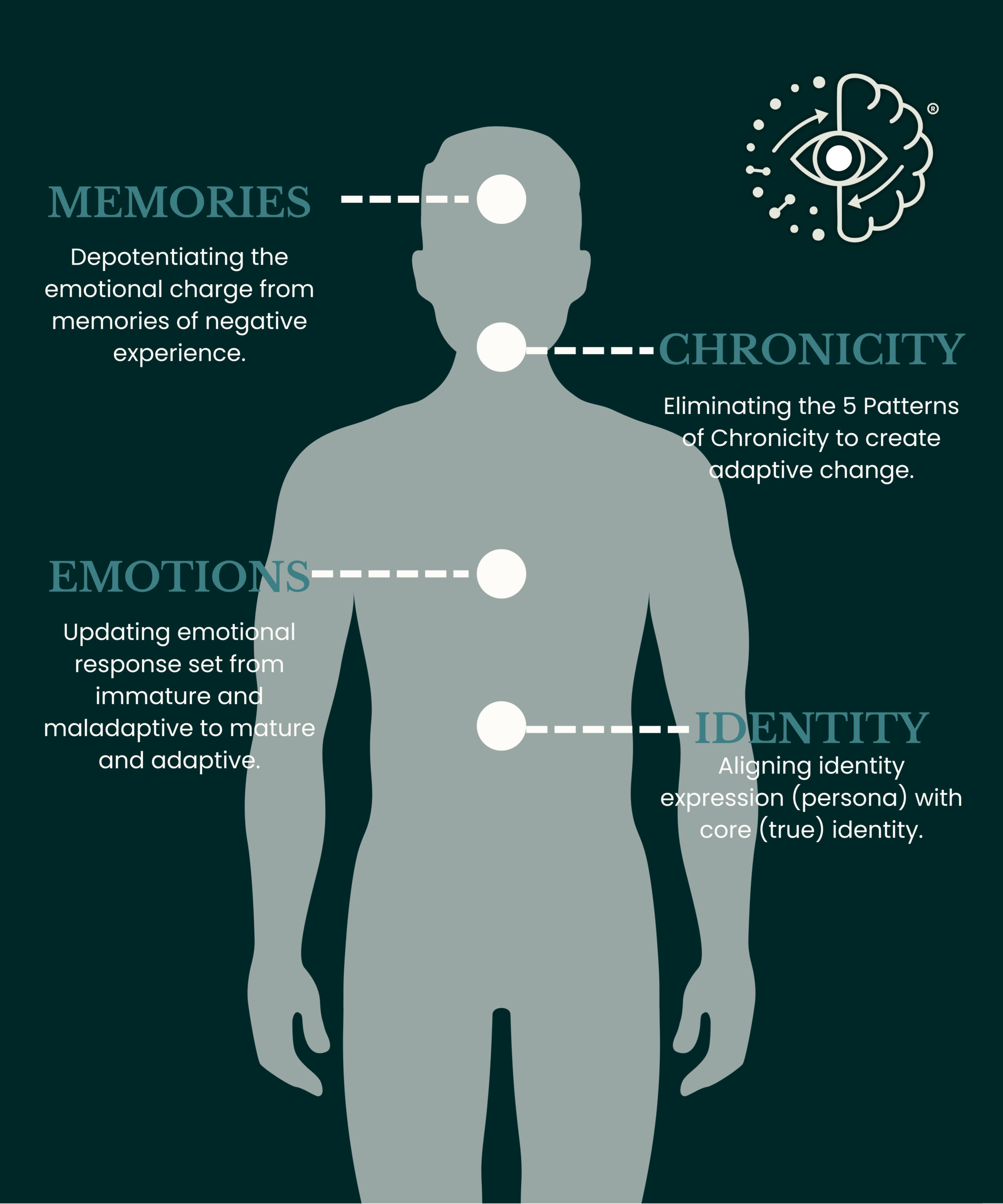
Understanding the core framework of IEMT
How IEMT restructures emotional memory and self perception.
IEMT operates through the mind–body connection, recognizing that emotional experiences are stored not only in memory but also within the body’s sensory and neurological systems. Each area of the body reflects a dimension of this process: memories held in the mind, emotions expressed through the body, identity shaping self-perception, and chronicity maintaining recurring emotional states.
IEMT Integration
How Emotional Reorganization Manifests Through the Mind and Body.
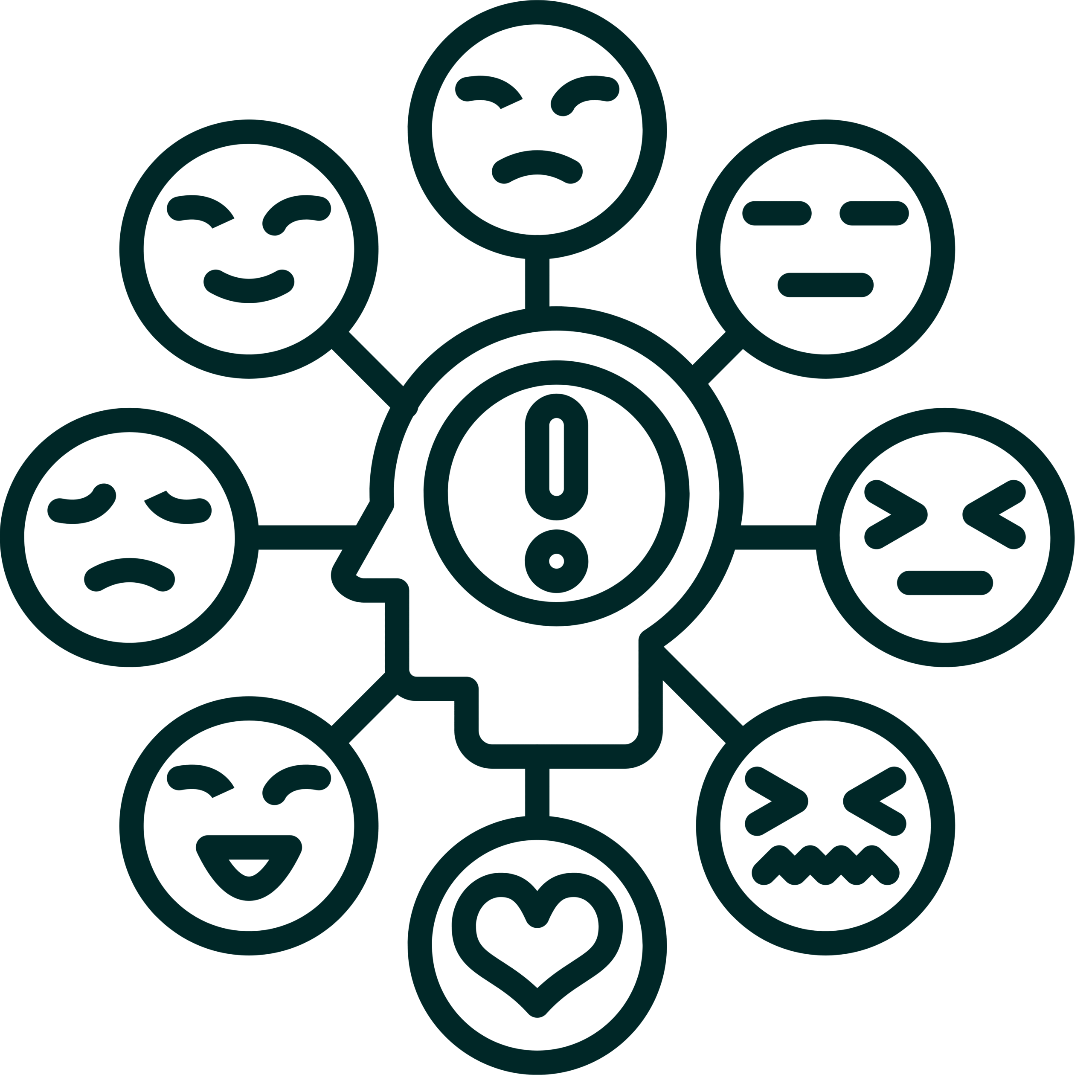
Emotional Intensity Decreases
As the brain revisits the emotional memory through guided eye movements, the affective response begins to subside. The client remains aware of the event, but the emotional charge diminishes as the neural pathways responsible for distress are reprocessed. This creates space for calm reflection rather than reactive feeling.

The Body Relaxes
Emotional processing in IEMT occurs not only in the mind but throughout the nervous system. As tension releases, the body transitions from a state of alertness to physiological calm. Breathing steadies, muscles soften, and the body signals that the memory is no longer perceived as a threat.

The Memory Becomes Neutral
Once the emotional and physical activation has settled, the memory itself changes in quality. It remains accessible but no longer evokes discomfort. The person can recall the event without reliving it, experiencing it instead as a distant, integrated part of their life story.
Access Without Words
How Change Happens Beyond Verbal Processing.
IEMT does not rely on talking about or analyzing past experiences. Instead, it works directly with how those experiences are stored in the mind and body. The process activates the neurological representation of memory rather than the narrative attached to it.
Because of this, the client does not need to describe or relive the event in detail. The change occurs at a sensory and neurological level, where the emotional imprint is reorganized through guided eye movement. As the brain integrates this new information, the person often experiences a quiet sense of relief and resolution — without extensive verbal exploration.
Access Without Words
How Change Happens Beyond Verbal Processing.
IEMT does not rely on talking about or analyzing past experiences. Instead, it works directly with how those experiences are stored in the mind and body. The process activates the neurological representation of memory rather than the narrative attached to it.
Because of this, the client does not need to describe or relive the event in detail. The change occurs at a sensory and neurological level, where the emotional imprint is reorganized through guided eye movement.
Healing begins with connection.
Share a few details below and we’ll help you take the next step toward emotional transformation.